Are you ready to meet your next level? Click here to book your free discovery call
5 Top Tips for Boosting Family Gut Health
October 1, 2025
Food and the gut microbiota
The role of gut health in maintaining physical health, preventing chronic disease and improving mood and mental health continues to be the hottest topic in nutritional health and wellness. Maintaining a healthy gut microbiota is a central topic within this. So, what influences the health of our gut microbiota? And where does food come in? Which foods are good for boosting the gut microbiota? In this blog series, I will be covering a variety of topics related to food and health of the Gut microbiota. I’ll also be sharing research findings, gut-boosting recipes and providing insights to help inform you about this essential subject. Empower yourself with these 5 top tips for boosting your family’s gut health.
What is the gut microbiota?
Unique to each person, the gut microbiota is a collection of trillions of genetic and microbial cells, weighing around 1-2kg. Think of it like a your own personal ecosystem and personal pharmacy, living in the large bowel. Inherited at birth, and positively influenced by natural birth and breast feeding, the gut microbiota is highly responsive to its environment. It responds to the moment-by-moment needs and conditions of the body in a dynamic way, the gut microbiota is each person’s individual medicine cupboard.
Produces a host of nutrients, medicine-like substances, hormones and other bio-active chemicals, communicating with all the intelligent systems of the body: and most significantly the immune and nervous systems. Our gut microbes digest remnants from food, providing energy for all their activities. It has a key role in protecting the gut barrier and interacts intimately with the immune and nervous systems. Regulating mood, pain, sleep and mental wellness are aspects of the role of our friendly microbes, through both the enteric nervous system (the nerves second brain) and the Gut-Brain-Axis (GBA) the information motorway, and direct link to the brain via the vagus nerve. We have known about the microbiota for centuries, possibly since ancient times, but are only now able to study it, with the computational technology and sequencing of the genome. dynamically between the food we eat,
What factors influence the health of the gut microbiota?
Balance is a key feature of a healthy gut microbiota. Balance between friendly essential microbes eg. lactobacillus and bifidobacteria and opportunistic microbes like E.Coli and streptococcus. Opportunistic microbes only become harmful when their numbers get out of control, competing with the friendly microbes, crowding out the essential bacteria. Often secondary to a weakened immune response, illness, repeated antibiotics, stress and inflammation, Dysbiosis refers to an unbalanced gut microbiota and is linked to leaky gut, an impairment in our gut lining barrier function.
The link to ultra processed foods …
Food has a significant effect on our gut health, which shows up largely via the gut microbiota function. Eating as diverse a range of unprocessed plant-based foods alongside other fresh and fermented foods, not only provides nutrients for body growth and repair, but delivers fibres that our beneficial microbes thrive on. On the other hand, sugars, processed carbohydrates and other ultra-processed foods, as we already know low in nutrient quality, are doubly-drastic for health. These untraprocessed foods are the preferred diet of the opportunistic bacteria. Increasing in number, and affecting the barrier function of the gut lining, which alerts and activate the immune sytsem leading to inflammation and affecting the leakiness of our gut cells.
5 top tips for boosting your family’s gut health …
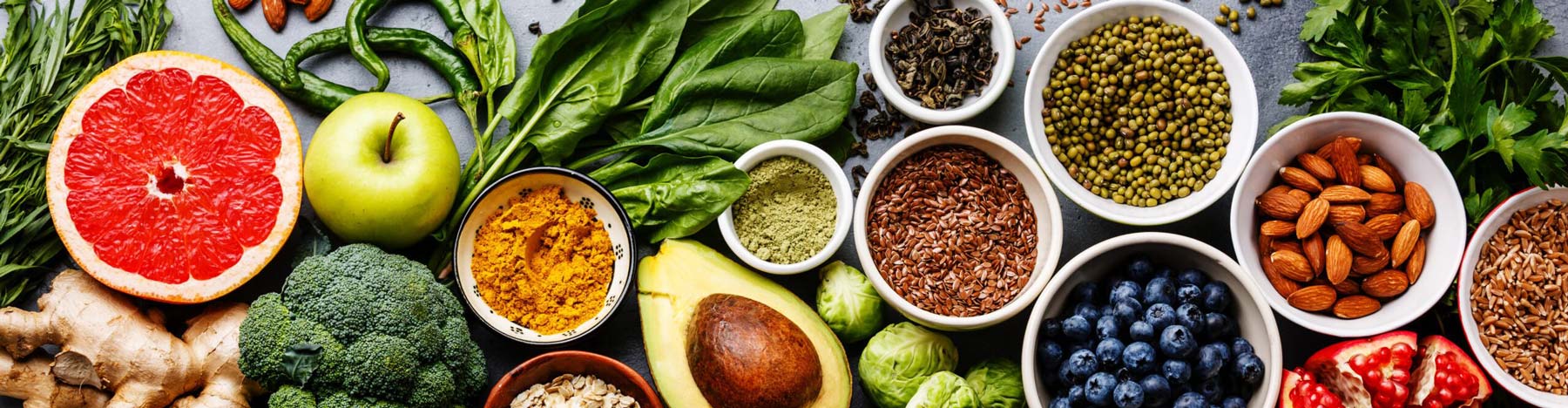
1. Think 30 DIFFERENT plant based foods a week, rather than 5 a day!
Make it a fun family challenge! – eat 30 different plant-based foods each a week. Choosing from 6 different groups
Wholegrains – oats, whole-wheat, brown rice, quinoa, buckwheat, rye, barley
Pulses, peas, beans & lentils – foods made with pulses, hummus, dahl, into soups, curries, refried beans, mixed into whole grains and spices
Fruits & Vegetables – think colour and include all the colours of the rainbow; dark green leafy, cruciferous & stem veggies, onion family eg. garlic, leeks, shallots, spring onions, roots and fungi – baked, roasted, stir fried and raw. Berry fruits, citrus, stone and tree fruits, exotic …use fresh, frozen, dried, and some tinned can be useful like prunes, blackcurrants, apricots
Nuts & seeds – all varieties, seed mixes, roasted, ground or chopped nuts into savouries, desserts, granola, varieties of nut butters, tahini
Herbs & spices – fresh and dried herbs, dark chocolate, cocoa, red wine in moderation, coffee, ginger, turmeric, black pepper, cardamom, nutmeg, cinnamon
2. Fermented foods at least 3 times per week
Fermented dairy or non-dairy eg. full fat greek yoghurt, kefir, tofu, tempeh, miso, fermented vegetables, sauerkraut, pickles, piccalilli, kimchi & kombucha which all give a wide variety of microbes
3. Add ons
When you’re planning your meal or snack; add in another plant-based ingredient, a dollop of yoghurt to a spicy dish; or kimchi onto your sandwich or as a side. Have a range of possibles in jars in the kitchen that the whole family can see. Sprinkles of seeds like chai, flax, sesame, sunflower, pumpkin or pomegranate seeds. Dark chocolate chips count! Chopped roasted nuts, like pistachio or hazelnuts, whatever you fancy! Dried fruits for some natural sweetness eg. chopped dates, appricots, sultanas, mango.
4. Form new habits!
Keep it going, be positive, have a sticker chart for young ones to let them see how much variety they are having. Give encouragement, praise and positive reinforcement!
5. Smoothies!
A great way to top-up your 30 different plant foods per-week! Especially those veggies and spices! Try avocado, spinach, celery, kale, turmeric, fresh ginger, pepper, cocoa, frozen fruits, cold cooked leftover veggies.
Do please share your ideas and stories; I’d love to hear them!
Similar Posts

Nourishing Your Kids Gut Microbiota … and Make Good Poo!
Your kids gut microbiota is their very own unique medicine cupboard, keeping body, mind, nervous and immune systems in check.…
5 Top Tips for Boosting Family Gut Health
Food and the gut microbiota The role of gut health in maintaining physical health, preventing chronic disease and improving mood…

Differences Between Lactose Intolerance and Cow’s Milk Allergy
What’s the difference between lactose intolerance and CMA? Are you confused about the difference between lactose intolerance and cow’s milk…