Are you ready to meet your next level? Click here to book your free discovery call
Nourishing Gut Heath
helping children and teens enjoy real food
learning to like, learning to eat
What, when and how we eat really does matter for our health. Helping children enjoy real food from an early age, shapes and builds healthy habits that last a lifetime.
The gut plays a role in overall health and wellbeing, influencing digestion, immunity and mental health. Helping kids to eat more unprocessed plant-based foods, whilst learning about their body and boosting gut health is a great way to get curious about their favourite topic - themselves!
Learning to like and learning to eat healthy foods is an acquired skill that needs practice. Building the best food environment for your home is something you can influence.. supporting easeful tummies, strong immune systems and better mental health.
keeping regular
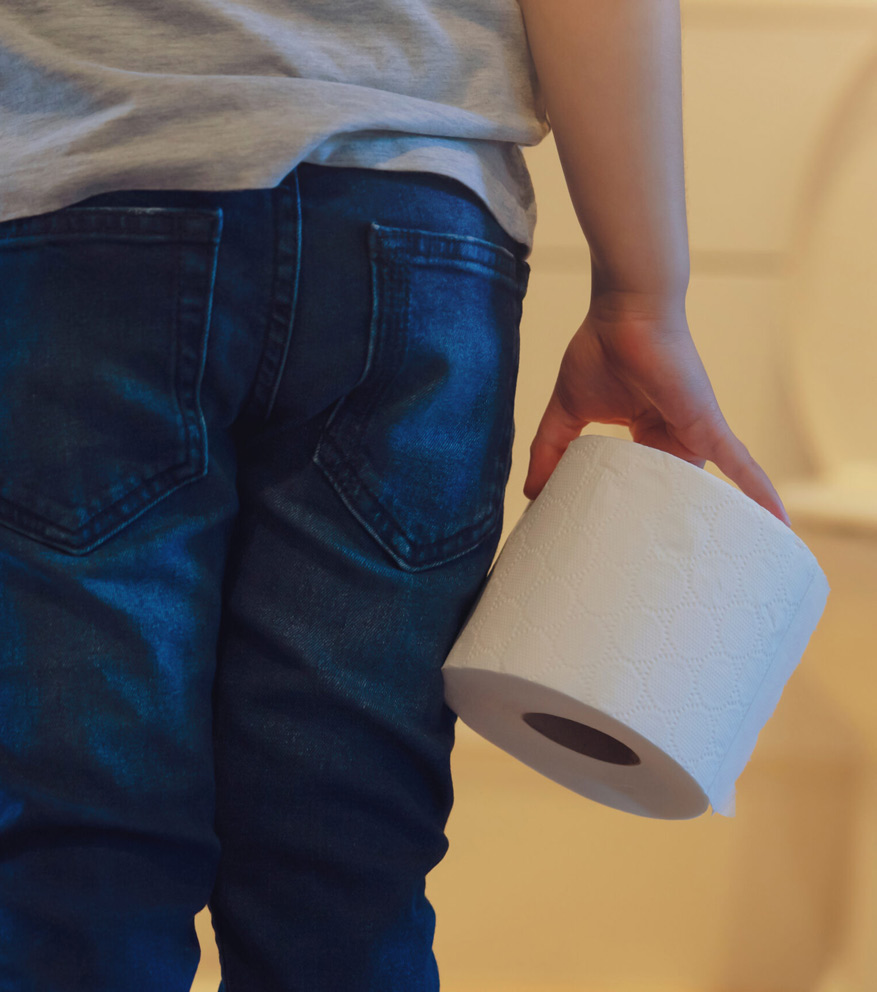
Keeping regular is the clearest sign of good digestive and gut health. And yet constipation, soiling and loose stools are common problems in childhood causing discomfort and distress affecting eating and wellbeing. The word constipation describes the slow movement of food residue (pooh) through the gut; the slower it moves, the harder it becomes, as the bowel absorbs water. Hard pooh can then feel tricky or uncomfortable to pass. Over time, the rectum stretches as poos becomes wider and harder. At the same time, this slow flow of poo impacts surrounding microbes, providing feedback to the brain, reducing mood and feelings of wellbeing. The good news that changing the diet is the way to keeping regular. Regular toileting needs regular eating, enough fibres from plant foods, and good toileting practices.
about dietary fibre
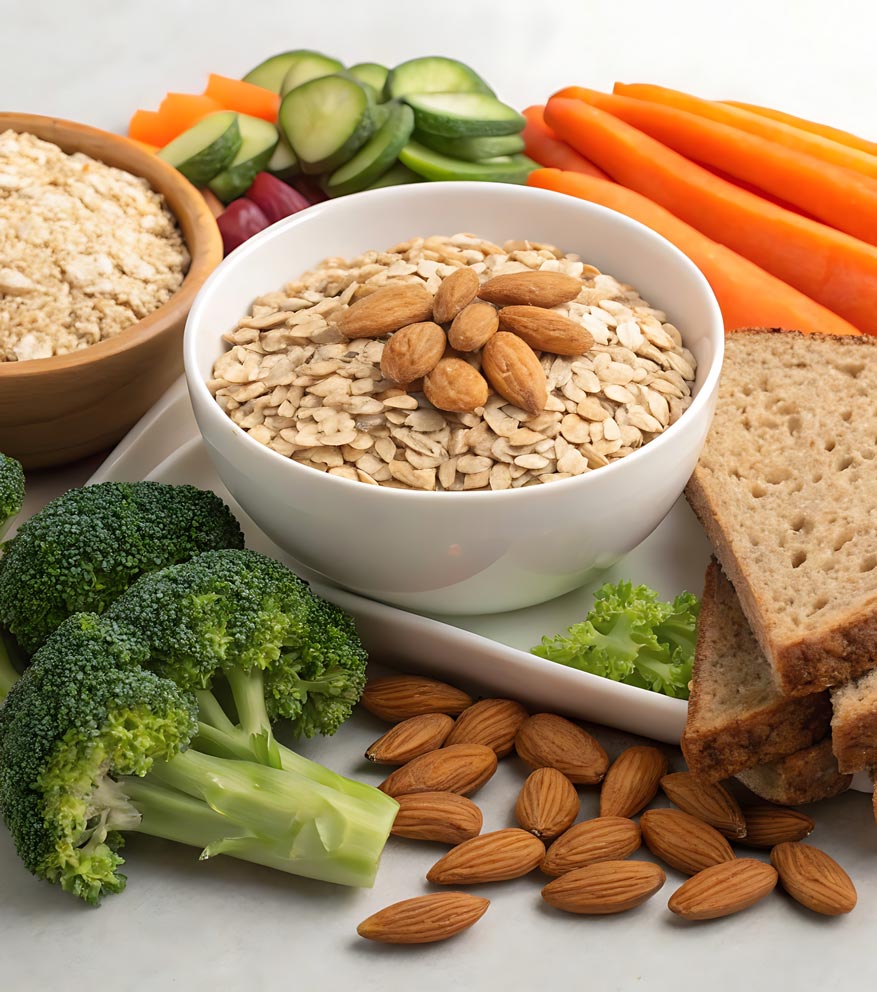
Regular dietary fibre from plant foods is needed to keep us regular, and avoid constipation. By that’s only a small part of the story of nourishing gut health. Fibre is food for our gut microbes, with those microbes changing depending what we eat. Broadly we have soluble fibre from foods like oats, lentils, peas, apples, pears, chai & flax seeds, and insoluble fibre from wholegrain cereals, husks of beans, nuts & seeds and vegetables. A balance is desirable, as this feeds greater diversity of those hard-working gut microbes. Young children need 15g daily, increasing gradually to 25g in the puberty years. Adults need 30g of fibre per day. If constipation is present, or has become chronic, soluble fibre is helpful alongside drinking plenty of water. Developing healthy toileting habits and eating sufficient dietary fibre from an early age, helps prevent constipation and create healthy poo habits!
helping children form early healthy toileting habits
If your child has fewer than 3 bowel movements per week, regular tummy aches or difficulty toileting and avoidance of pooing, taking action is needed. Constipation requires a gentle, structured approach. Children are quick learners when supported with patience, positive reinforcement, and simple, consistent routines. Regular meals, movement, hydration and a variety of plant-based fibres are all goals to aim for.
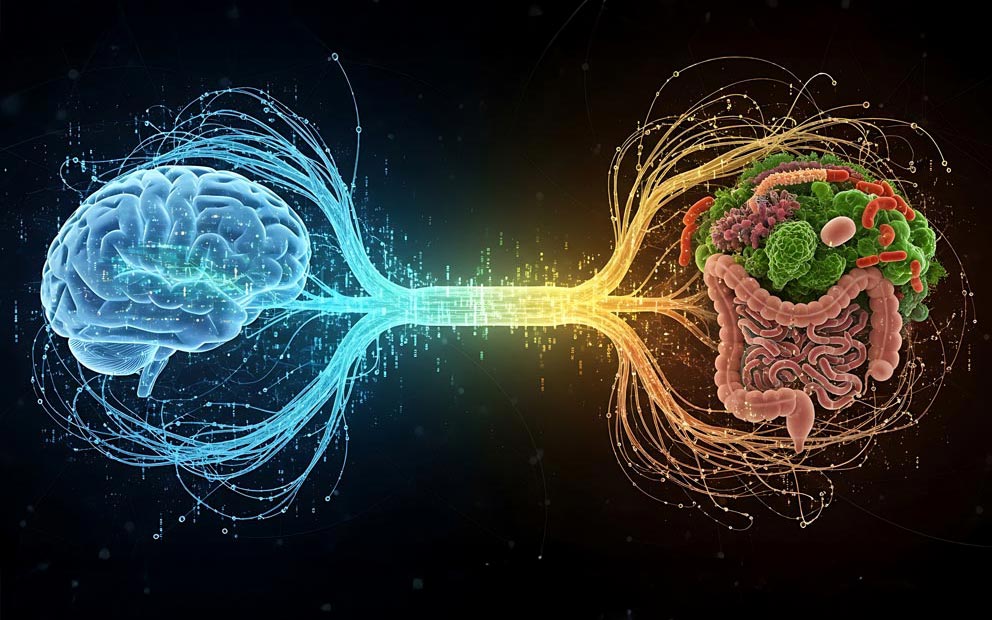
Irritable Bowel Syndrome - a disorder of gut-brain interaction
Digestive issues like IBS and chronic tummy pain are often linked to stress and anxiety. Recent research findings demonstrate a 12-week course in hypnotherapy as effective as diet in managing IBS symptoms in adults. Other tools such as yoga and meditation are likely to provide similar benefits, but have not been tested in controlled trials as yet. IBS is now considered to be a disorder of gut-brain interaction, affecting younger children as well as teens. Stress, anxiety, fear change the signals to and from gut and brain in a bi-lateral dialogue. Faulty signals form interactions between the gut nerves (enteric nervous system), the brain (central nervous system), the vagus nerve (autonomic and parasympathetic nervous system) and our unique gut microbes that express pain.
A diverse plant-rich diet plays a crucial role in maintaining a healthy gut microbiota - foods which may be restricted on the FODMAP diet. Generally, it is not a sustainable diet for good gut health, particularly for children and teens, but can be considered part of a holistic approach, in which dietary treatment is one part.
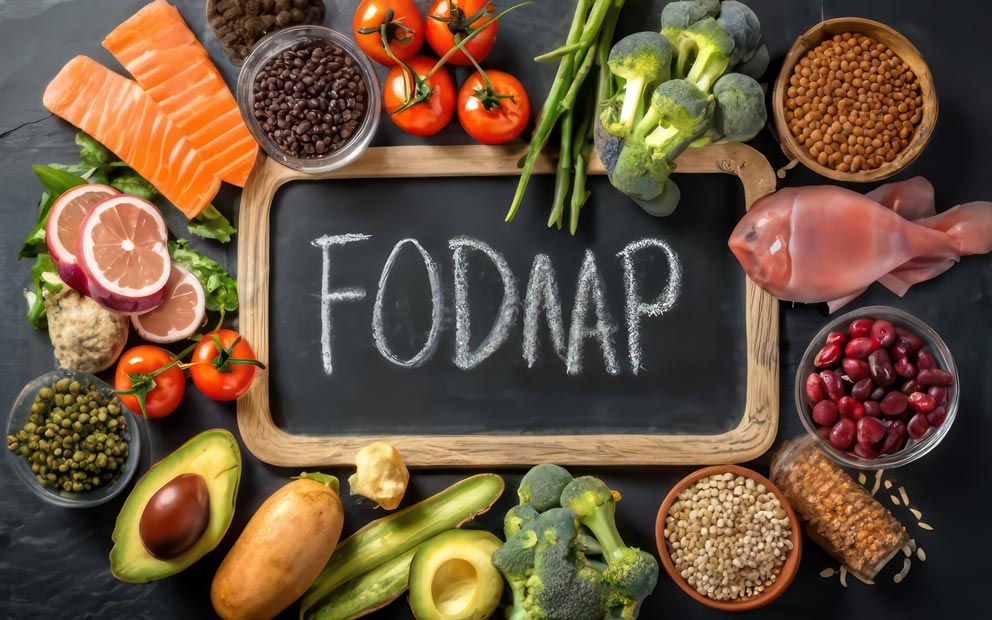
FODMAPs as dietary treatment
FODMAPs are poorly absorbed sugar chains that are fermented by gut microbes causing an array of abdominal symptoms in sensitive people. FODMAPs draw water into the bowel causing loose stools and bloating. Recent findings show that changes in the gut microbiota influence pain sensitivity by relaying false information from the gut to the brain, affecting the experience of pain. FODMAP diets are not intended to be followed strictly long-term. The exclusion phase may last 4-6 weeks, providing symptomatic relief for most people. identifying trigger foods during the reintroduction phase taking another 4-6 weeks, resulting in a personalised modified diet. Restoration of a healthy gut microbiota takes time, by gradually building a diverse diet back up. Specific strains of Bifidobacteria and lactobacillus are known to be helpful.
treating IBS in children and teens
Younger children experience IBS, although the evidence for treating IBS in children with the FODMAP diet is very limited. A modified version of the FODMAP diet may be suitable following assessment of symptoms, without adding further stress on a child or family. Treatment for IBS brings together gut microbe health and mindful approaches to support the nervous system.
A modified FODMAP diet can reduce symptoms, creating space to work with body-mind (gut-brain) connection. Helping children manage their fears and worries is an important part of tackling IBS, and the body-mind connection; how and when children eat is important too!